



Dr. Ernest Williamson III
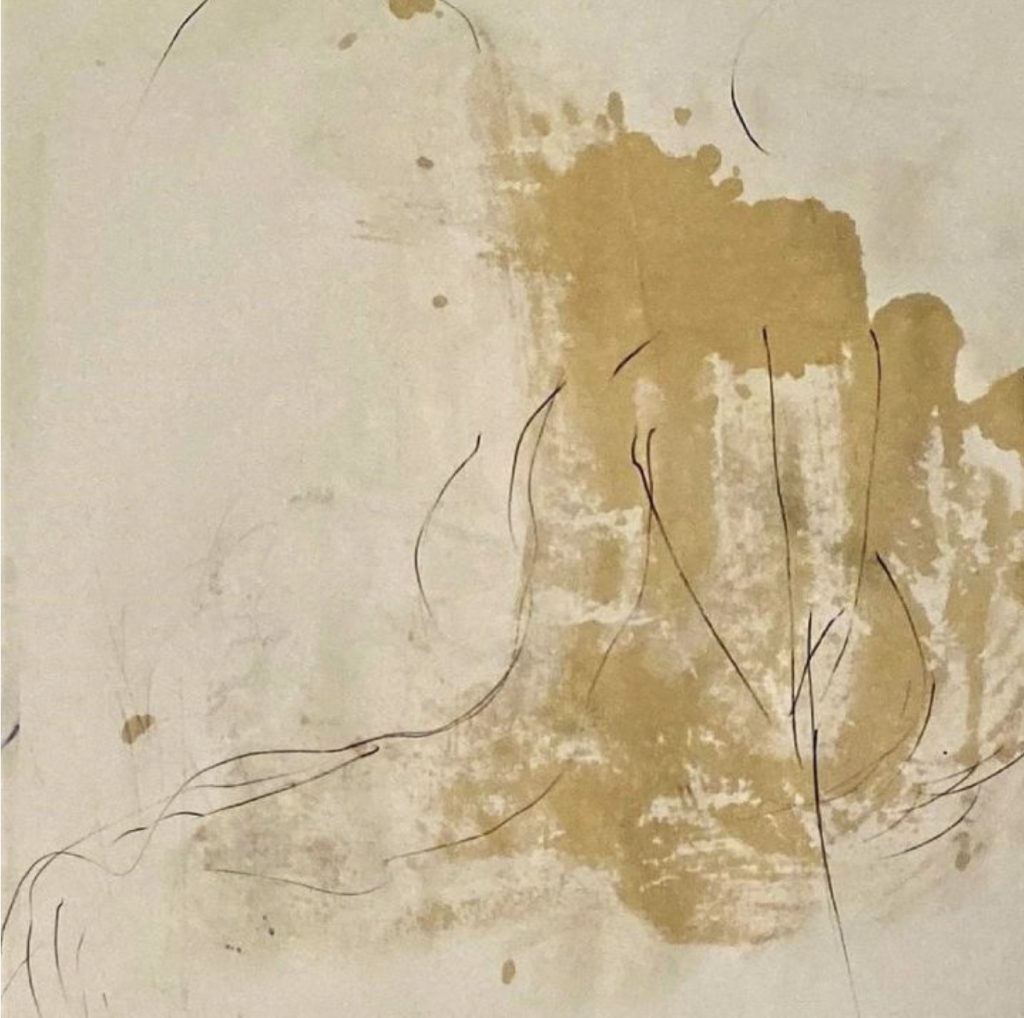
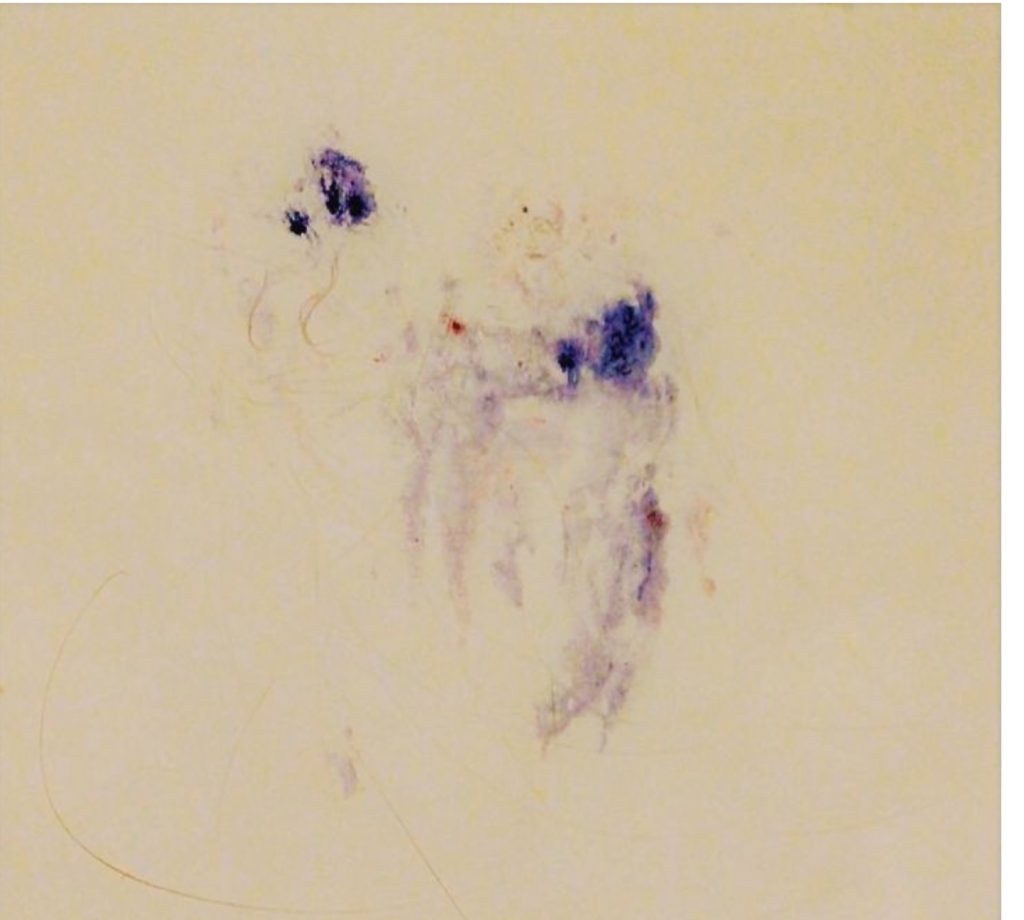
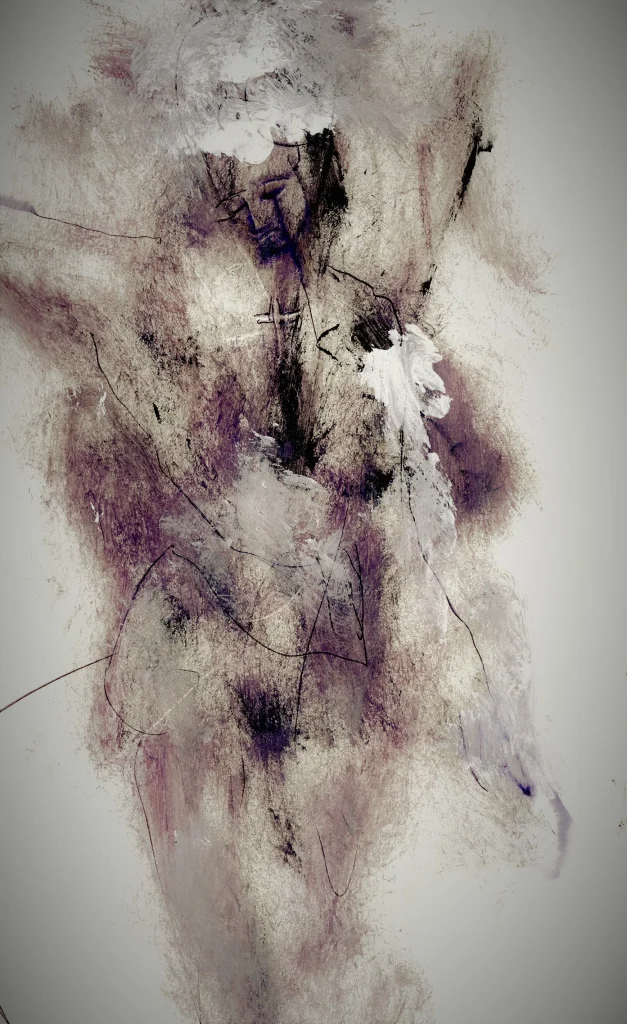
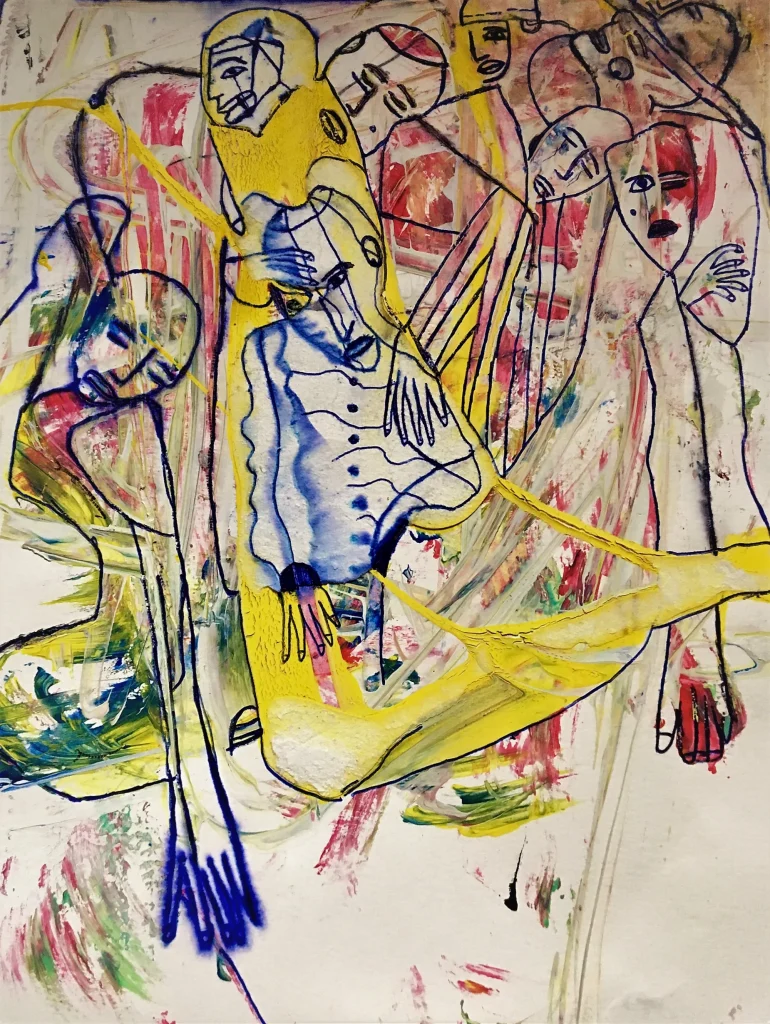
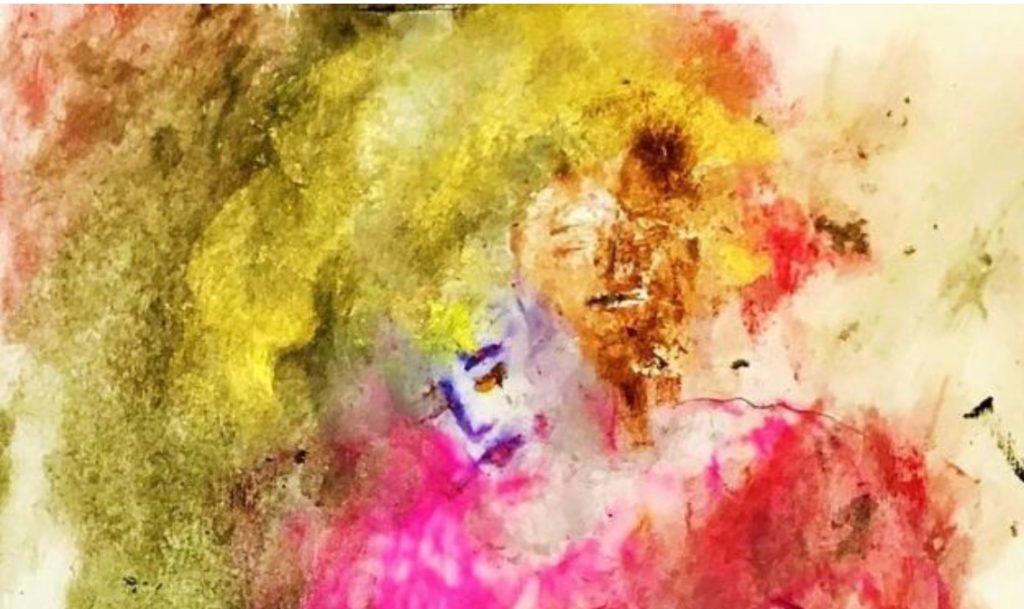
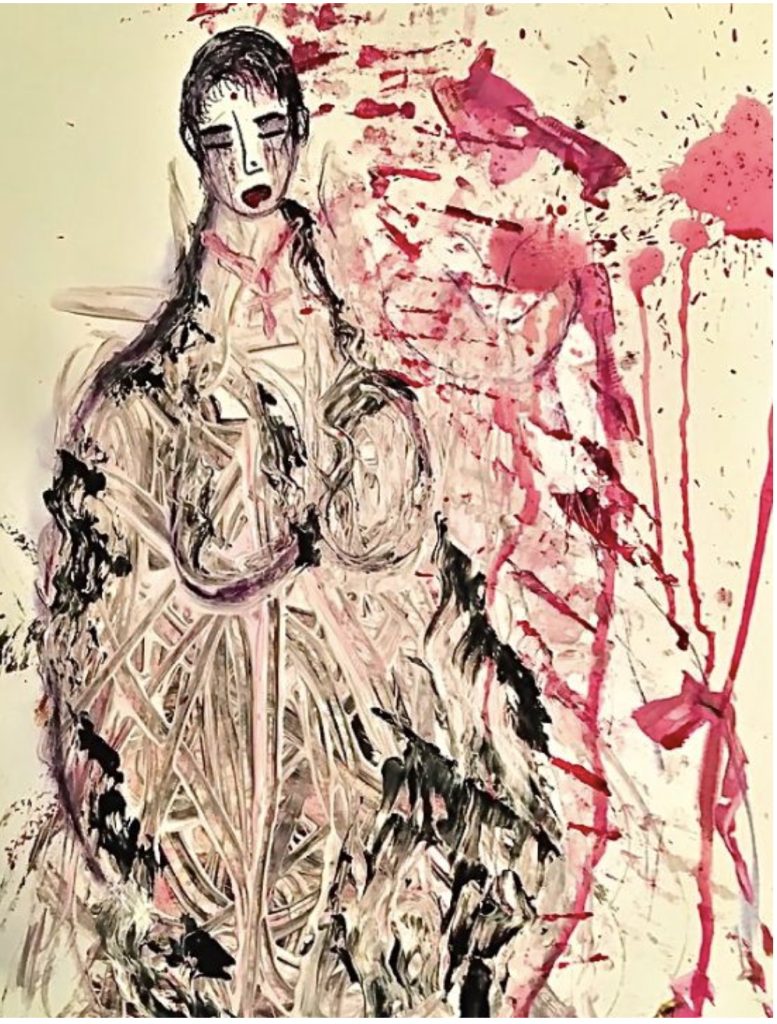
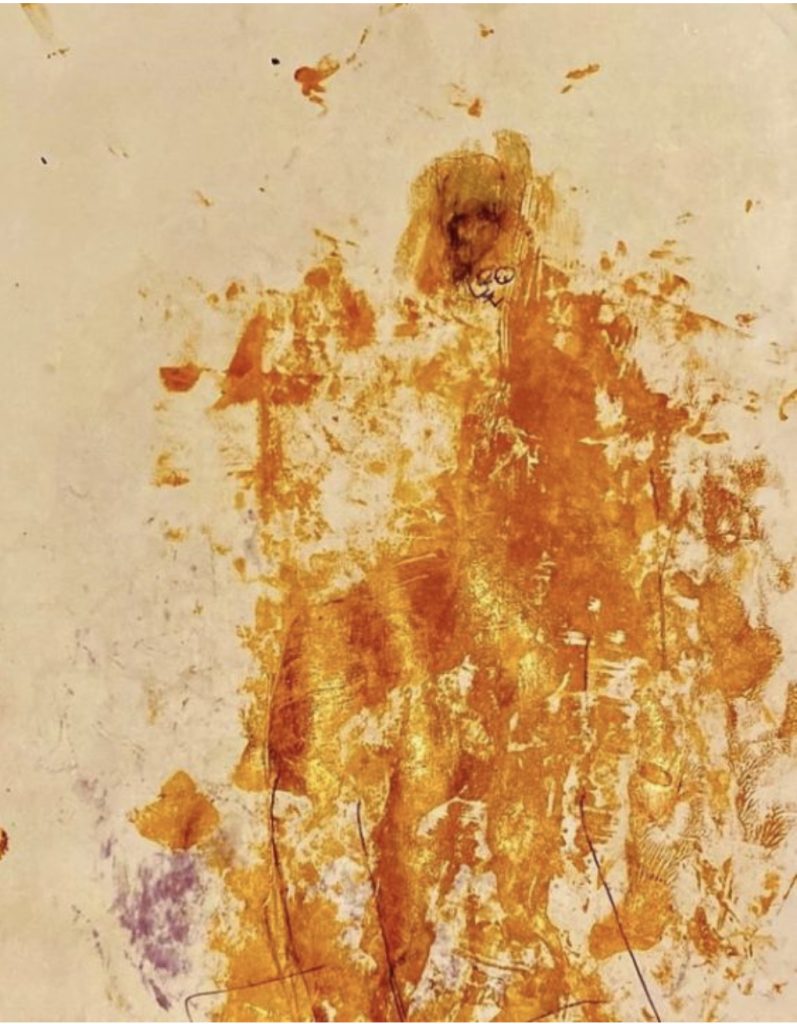
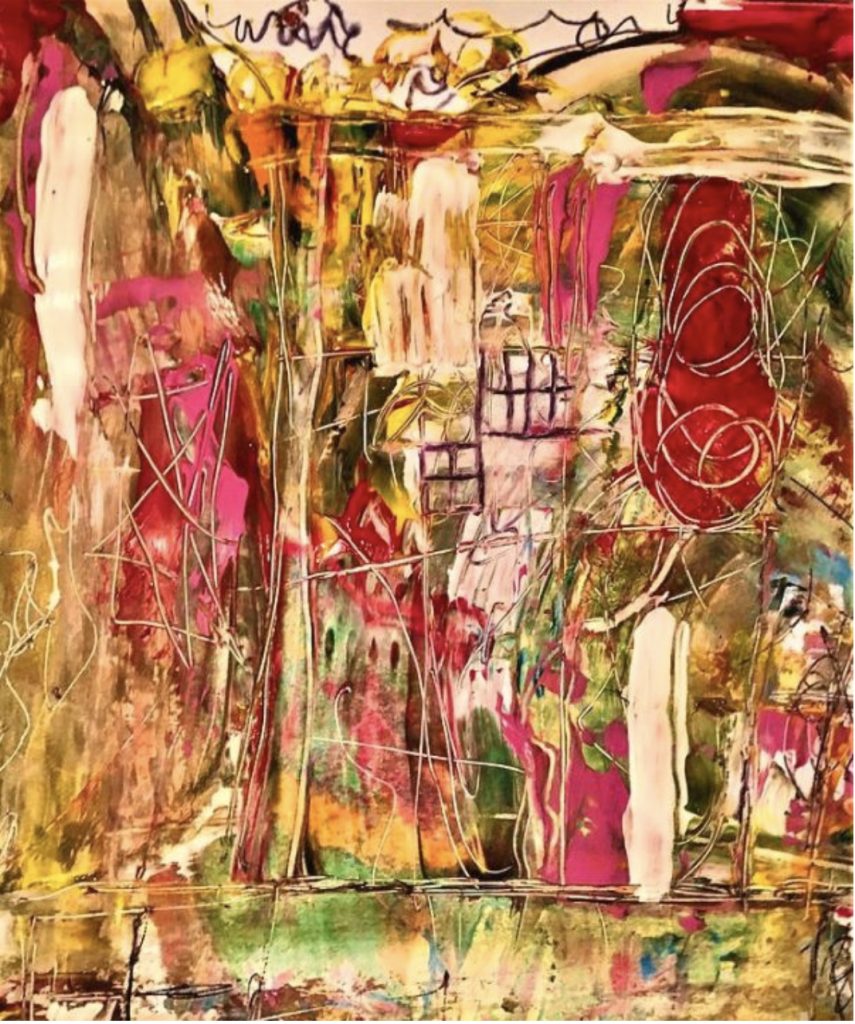
Poet, painter, composer, and educator, Ernest Williamson III embodies the spirit of creative multiplicity. Over the past two decades, his work has appeared in more than 650 literary and art journals, with poetry in over 200 publications and artwork in hundreds more—including New England Review, Columbia Journal, Penn Review, Emerson Review, and Portland Review. His art has graced the covers of landmark journals such as Columbia Review (Columbia University), New Delta Review (LSU), and Madison Review (University of Wisconsin–Madison).
Born in Illinois and raised in Tennessee, Williamson grew up in a household where learning and music were everyday languages: the son of a school principal and a BMI Music Award–winning musician, and older brother to a Grammy-nominated artist. Identified early as an academically strong student, he was moved into an experimental public gifted education program called Creative Learning in a Unique Environment (CLUE), where poetry found him at thirteen and never let go.
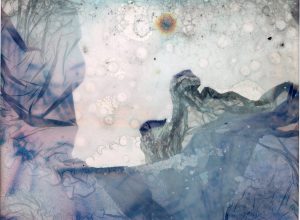
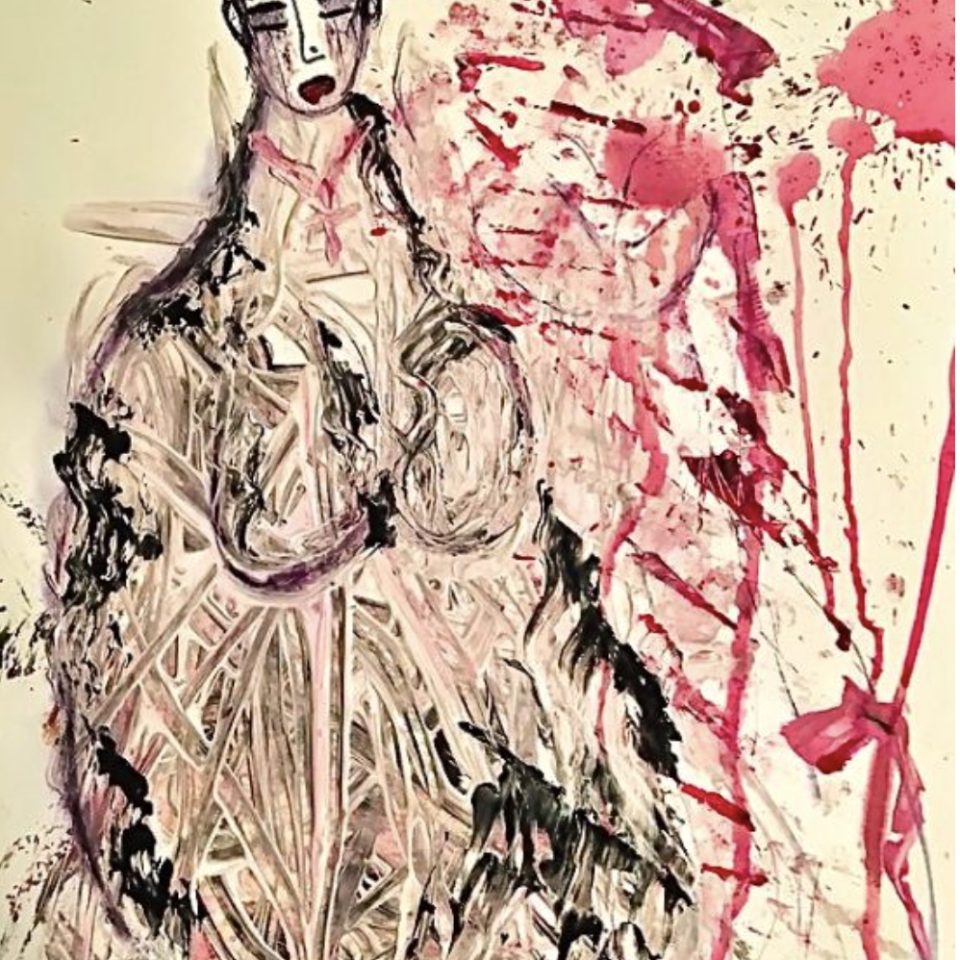
A self-taught pianist and classical composer, Williamson has written more than 170 compositions for piano. His visual art—now exceeding 3,000 works—travels widely across digital and print landscapes, most recently as the cover of Eric Shaffer’s book Second Nature. His poetry has been nominated three times for Best of the Net, and theatre director Irina Brook has called him “an amazing Renaissance man.”
Alongside his artistic practice, Williamson has served in higher education for more than eighteen years as professor, researcher, editor, mentor, and advocate for accessible learning. His scholarly work appears in Urban Review, Public Purpose, Delta Kappa Gamma Bulletin, and other peer-reviewed forums.
He holds an MA in English from the University of Memphis, a PhD in Higher Education Leadership from Seton Hall University, and a certificate from Harvard Graduate School of Education.
Spanning poetry, painting, music, and scholarship, Williamson’s body of work forms a vast archive of imagination—one that resonates deeply with the ethos of Forged Kinship, where art becomes a meeting place, a lineage, and an ever-renewing way of seeing.