

A November morning
It’s been raining lately, or so they say. I find myself wondering: what if it rained flour? I mean, what if the sky rained white sacks of flour bearing the UNRWA logo in blue, fortified flour, mind you, made for us, the lost in narrow lands, the hungry in holy ones.
Dear God, if it will not rain flour, then let it not rain at all. Or turn the canvas of our tents into walls, so that our last place of refuge does not drown.
I have not written since the last day of July. After that, my sentences became scattered,* their bonds severed like our missing bodies. My mind hungered for images, yet every image was a tent. My memories and everything I saw became one: a nineteen-year-old girl walking through the tent massacres, searching the stalls of stolen books to buy a book and watch a sunset rather than an explosion.
I walk with the others. I see the men gathered around a small radio. Their large hands cling to the negotiations. They sing them the weary people’s song, willing them to grow into a truce. But before long, they return with the ruin of their hearts to the ruin of their tents.
I left my tent in al-Mawasi in September, when the landowner forced us out, before the loofah vines had flowered, before the melon I had planted had grown before the tomato blossoms had appeared. I arrived in Deir al-Balah, and when I saw the palm trees emerging from among the buildings, their clusters of dates hanging high above, I said, “We’ve covered*** the whole Strip through our displacement, from west to east, from north to south.”
With Deir al-Balah, I concluded my first round of displacement.
I did not write there either. My mind was hungry. My body was hungry. The pigeons of Deir al-Balah, cooing outside my window, seemed to say:
“Eat misery, Sama.** Misery fills you.”
I will eat a small ration of misery, just enough to let me write. I will eat misery, not bread. I will stretch out my hands toward a sky that rains rain, not flour, and clouds where Apache helicopters nest instead of small birds. At night, I will point to the flares and say: we have many moons now, not just one.
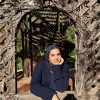
Sama Shatat
Deir al-Balah 10:55 a.m., 18 November 2024
*In Arabic, mushattata مشتّتة — “scattered” — quietly echoes the author’s own surname, Shatat شتات: scattering, dispersion, diaspora. The sentence fractures as the name itself opens into displacement.
**Sama سما is also “sky.” The pigeons call her by a name that has been present all along: the sky that might rain flour, the sky that might simply rain, the sky crossed by clouds, helicopters, flares, and impossible moons. In this small turn, the address becomes both intimate and vast.
***The Arabic verb ikhtatamna اختتمنا means “we concluded,” “we sealed,” or “we brought to a close.” It is the verb used for completing a recitation of the Qur’an — khatm al-Qur’an ختم القرآن — and comes from the same root as khatam خاتم, a seal or signet. Here, “we’ve covered the whole Strip” carries more than the sense of crossing geography: displacement has turned Gaza into something recited to its end, sealed by repeated uprooting from west to east and north to south.
سآكل بؤسًا
صباح تشرين الثاني،
الجو ممطر هذه الأيام، هكذا يقولون. في حين أنني أتساءل: ماذا لو أمطرت طحينًا؟ أقصد أن تمطر السماء أكياس طحينٍ بيضاء اللون، مكتوبٌ عليها بالأزرق شعار الأونروا، مع ملاحظةٍ صغيرةٍ بأنها طحينٌ محسنٌ ليناسبنا نحن الضائعين في بلادٍ ضيقة، والجائعين في بلادٍ مقدَّسة.
إن لم تمطر طحينًا، فلا تمطر أبدًا يا الله، أو اجعل أقمشة الخيام جدرانًا، فلا يغرق ملاذنا الأخير.
لم أكتب منذ آخر يومٍ في تموز، وبعدها صارت جملي مشتتةً، متقطعةَ أواصرها، كأجسادنا المفقودة. حينها كان عقلي جائعًا للصور، وكلُّ صوري خيمةٌ، وذاكرتي ومشاهدي واحدة، فتاةٌ في التاسعة عشرة من عمرها تمشي بين مجازر الخيام، تبحث عن بسطات الكتب المسروقة لتشتري كتابًا وتشاهد غروبًا، لا انفجارًا.
أسير مع السائرين، أتفرّج في أيادي الرجال، فلا أجد إلا راديوًا صغيرًا يتحلّقون حوله، يمسكون المفاوضات بأيديهم الكبيرة المُسمَّرة. يغنّون للمفاوضات أغنية المتعبين كي تكبر وتصير هدنة، لكنهم سرعان ما يعودون بخراب قلوبهم إلى خراب خيامهم.
تركت خيمتي في المواصي في أيلول، عندما أخرجنا صاحب الأرض عنوةً، قبل أن يتفتّح زهر شجرة اللِّيف، وتكبر حبّة الشمّام التي زرعتها، ويخرج نوّار البندورة. وصلت حينها إلى دير البلح، ولمّا رأيت النخيل يتكشّف بين البنيان، وقطوف البلح تتدلّى من أعالي نخيلها، قلتُ: «اختتمنا القطاع نزوحًا، من غربه إلى شرقه، ومن شماله إلى جنوبه».
دير البلح محطّتي الأخيرة في جولة نزوحي الأولى.
لم أكتب حتى في دير البلح، فعقلي جائع، وجسدي جائع. يقول لي حمامها الذي يهدل على شباكي:
«كُلي بؤسًا يا سما، فالبؤس يُشبِع».
سآكل حصةً صغيرةً من البؤس تمكنني من الكتابة، سآكل بؤسًا لا خبزًا، وأمدّ يديَّ نحو سماء تمطر مطرًا لا طحينًا، وغيماتٍ تبني الأباتشي فوقها عشًا، لا العصافير. سأشير بأصابعي نحو قنابل الإنارة ليلًا، وأقول: صار لدينا أقمار، لا قمرٌ واحد.
سما شتات
دير البلح، 10:55 صباحًا، 18 تشرين الثاني 2024
Shirin Abedinirad, House in the Wind, 2017. Land art, Marrakesh, Morocco. Created in collaboration with Nikon and BMW Mini, the work imagines the desert as an open studio where, in the artist’s words, “my studio has no walls, no roof, and no borders.” With sky as ceiling, horizons as walls, and wind, mirrors, clouds, and sand as collaborators, the installation becomes a meditation on nature as partner, sanctuary, and boundless space of belonging. Artwork courtesy of featured artist Shirin Abedinirad.