



The COP in the head, that’s what we call it, is one of the practices included in the Theatre of the Oppressed methodology, specifically within the Rainbow of Desire branch.
This practice involves bringing our intrusive thoughts and voices—those that surface when:
- we make mistakes,
- regret certain situations,
- face encounters that require courage,
- or when our triggers are activated—into a theatrical piece.
The aim is to engage with these thoughts in an effort to understand them or to enter into a dialogue with them.
Often, these thoughts are not entirely our own; they are influenced by our parents, society, the educational system, and other sources of dos and don’ts.
It becomes crystal clear that people carry these voices and thoughts as a heavy weight, requiring the use of every muscle in their bodies—a burden that can prevent them from seeing reality, opportunities for connection, or recognizing their own unique strengths.
This struggle isn’t tied to any specific social or economic class; it is part of the human experience in a world that imposes countless expectations and so-called ‘doings’ without allowing space to uncover one’s true potential. Yet, they persist in trying.
It is crystal clear that they carry these voices and thoughts as a heavy weight, demanding the use of each and every muscle in their bodies—a burden that can hinder them from seeing reality, opportunities for connection, or recognizing their own unique strengths.
This short piece isn’t about the weight itself but rather about adolescents’ outstanding ability to chuckle while bearing it.
Even the defense mechanisms they develop to protect or distract themselves fascinates me.
They serve as a reminder of our innate tenacity, resilience, adaptability, and willingness to live.
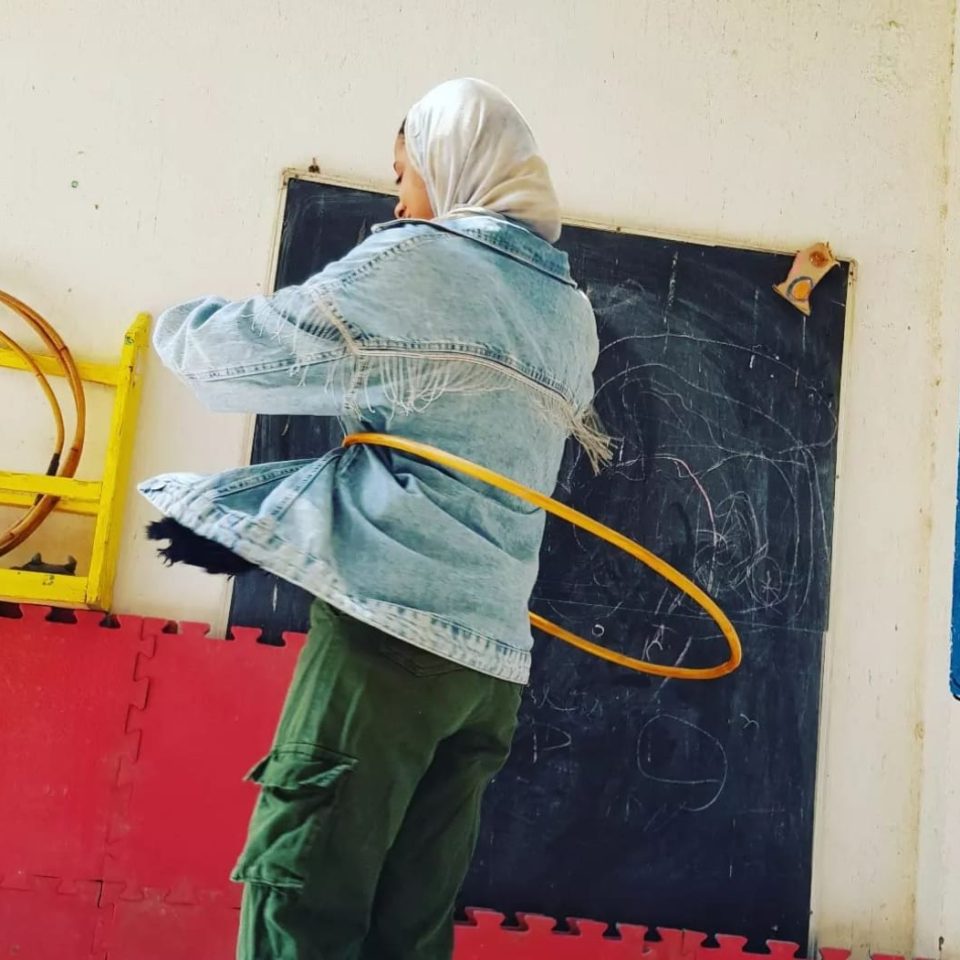
I recall one astonishingly strong participant who came to one of my workshops convinced that her voice was too low, and because of that she couldn’t speak up or talk about herself.
Yet, despite this defense mechanism she showed up every day.
It was heartwarming to witness her performing solo by the end of the workshop.
And then there was the participant who shared a heartbreaking sentence he used to hear from his father during one of our reflection circles, right before he jumped into the closing activity with an ear-to-ear smile. It was as if he were not only entrusting us with his pain with remarkable bravery but also teaching us a lesson in the eagerness to exist and enjoy life.
This piece is meant to honour their bravery, tenacity, and capacity to mock life’s challenges.
However, it also serves as a reminder of our collective responsibility to ensure that their resilience is not merely for survival, but to thrive and grow.